GOLD PLATING FAQ

Gold plating FAQ: materials, durability, prices and process.

Clear answers before you send anything in: what can be gold plated, how 1 / 3 / 5 µm differs, what affects price, how shipping works and when a new gold layer makes sense.

DIRECT ROUTES

The most important pages for your decision.

No searching around: prices, real work, process, durability, shipping and materials are one click away.

Jewelry on graph paper with a ruler as an easy size reference for the LAFFARTS photo assessment
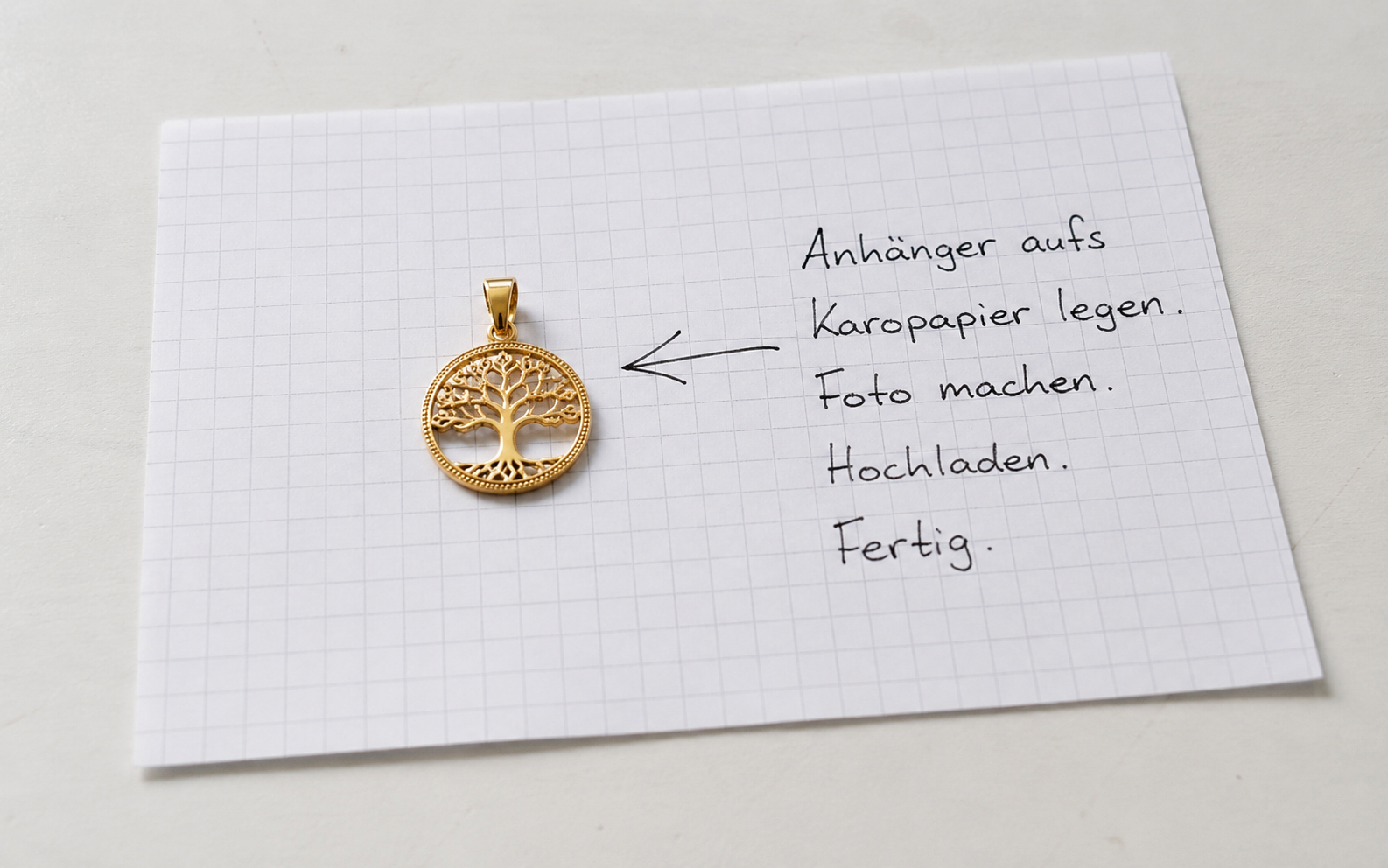
Take the photo like this: place the whole piece on graph paper or next to a ruler and photograph it sharply from above. Add a close-up for worn or unusual areas.
HOW IT WORKS

First show the piece. Then decide.

The FAQ should not leave you wondering what happens next. Your piece stays with you until feasibility, quality options and price are clear.

01Send photosComplete piece, details and a size reference where useful.
02Assessment & quoteWe assess material, condition, preparation and suitable 1 / 3 / 5 µm options.
03Choose & receive order linkYou choose the offered specification; only then is your individual online order prepared.
04Send safely & workshopAfter checkout you receive the order sheet and shipping information; then the agreed work begins.
QUICK ANSWERS

The questions that decide most enquiries.

Feasibility

Can my piece be gold plated?

Often yes. Base material, existing coatings, surface condition, geometry, stones and intended use determine feasibility. A photo assessment is the cleanest first step.

Durability

How long does gold plating last?

It depends on preparation, material, layer thickness and real wear. Rings and bracelets behave differently from pendants or decorative objects. See the durability guide.

Process

Do I need to send the piece in immediately?

No. Start with photos, receive an assessment and quote, then decide. View the complete process.

MATERIALS & FEASIBILITY

The material name is only the beginning.

Existing coatings, corrosion, geometry, stones and the desired use can change the recommendation.

Which metals can usually be gold plated?
Suitable silver, stainless steel, brass, copper and many gold alloys can often be gold plated after technical assessment. Chrome-plated parts and less common alloys need individual assessment. See the material guide.
Which materials are not part of the standard process?
Aluminum, titanium, die-cast zinc, PVD-coated parts, lacquered surfaces and non-metallic objects are not standard LAFFARTS gold-plating jobs. Unknown or problematic coatings are assessed before any commitment.
Can jewelry with stones or engravings be gold plated?
Often yes, but settings, glued elements, sensitive stones and geometry need to be assessed first. Engravings can generally remain visible when preparation is appropriate.
Can worn or previously plated jewelry be replated?
Yes, this is a common case. Existing gold residues, oxidation, older coatings and the condition of the base material determine the preparation required.
Can watches be sent in complete?
No. LAFFARTS only works on fully disassembled metal watch parts suitable for electroplating. Movements, crystals and seals must not be sent in; watchmaker work is not part of the plating service.
DURABILITY & QUALITY

Layer thickness matters — but so does real wear.

What is the difference between 1, 3 and 5 µm?
More microns means more gold across the actual surface and more wear reserve. The appropriate option depends on friction, contact points and intended use. Compare durability in detail.
Does 24 carat mean the plating lasts longer?
No. At LAFFARTS, 14, 18 and 24 carat describe the visible yellow-gold tone. Durability is determined by the technical layer structure and hard-gold thickness, not by choosing a deeper yellow color.
Can I shower with gold-plated jewelry?
It is better not to make it a routine. Water, soap, shampoo, heat, towels and friction all contribute to wear over time.
Will scratches disappear under new gold plating?
Not automatically. Gold plating follows the surface beneath it. Scratches and worn areas are therefore assessed and, where appropriate, refinished before plating.
PROCESS & SHIPPING

A clear route before anything leaves your hands.

01

Send photos

Show the complete piece, worn areas and approximate dimensions.

02

Receive assessment

Material, condition, preparation and layer thickness are assessed.

03

Approve the quote

You decide before the piece is shipped.

04

Send safely

Follow the shipment information and choose the appropriate shipping option.

How does shipping work?
Shipping comes after assessment and order confirmation. Pack the piece carefully and use the appropriate shipping option for its value. See the safe shipping guide.
How long does the process take?
The actual lead time depends on the piece and workshop capacity. The current planning and available options are explained on the lead-time page.
Can I know whether plating makes sense before shipment?
Yes. That is exactly the purpose of the photo assessment. We want to avoid unnecessary shipments when material, condition or intended use argue against plating.
PRICES & QUOTES

A reliable price starts with the actual piece.

What affects the price?
Actual surface area, material, condition, preparation, geometry and selected layer thickness are the main factors. See the price examples.
What information speeds up the quote?
An overall photo, close-ups of worn areas, approximate dimensions, known material, hallmarks and a short note on how the piece is used.
When is an enquiry better than instant booking?
Whenever material, condition, geometry or required preparation is not obvious — especially for older pieces, heirlooms, complex coatings and special objects.
CARE & REPLATING

Good care slows wear. It does not make plating wear-free.

How should gold-plated jewelry be cared for?
Store it dry, avoid unnecessary rubbing and aggressive cleaners, and remove it for activities that combine moisture, chemicals and friction.
When does replating make sense?
When edges show the base color, the finish becomes uneven or high-contact areas look dull, a new layer can be appropriate after assessment.
Is the thickest layer always the best choice?
Not automatically. The right layer depends on geometry, material, use, friction and what the piece is expected to do. The goal is an appropriate specification, not simply the largest number.
NEXT STEP

Still unsure? Show us the piece.

Send clear photos. We assess material, condition, use and the appropriate next step before you ship anything.

Brand & jewelry types

Pandora jewelry gold plating: four common questions

LAFFARTS is not affiliated with Pandora. The brand name is used only to describe common customer enquiries about bracelets, charms, silver and gold plating.

Can Pandora jewelry be gold plated?

Pandora jewelry made from sterling silver can often be assessed for replating. Condition, contact areas, charms and intended use matter, so the process starts with photos.

Can Pandora charms be gold plated too?

That depends on the individual charm. Metal areas can often be assessed, while stones, inlays, moving parts and sealed keepsake charms require separate evaluation.

Which gold layer is suitable for a Pandora bracelet?

For bracelets and charms, friction, contact areas and use matter greatly. The appropriate 1, 3 or 5 µm option is recommended according to the actual piece.

Is LAFFARTS affiliated with Pandora?

No. LAFFARTS is not affiliated with Pandora. The brand name is used only to describe common customer enquiries and to clarify the jewelry type and material.