Silver, stainless steel, brass, copper and gold alloys.
When the surface is technically suitable, these metals can often be prepared appropriately and gold plated.
Go straight to the right category or send a photo for a first assessment.
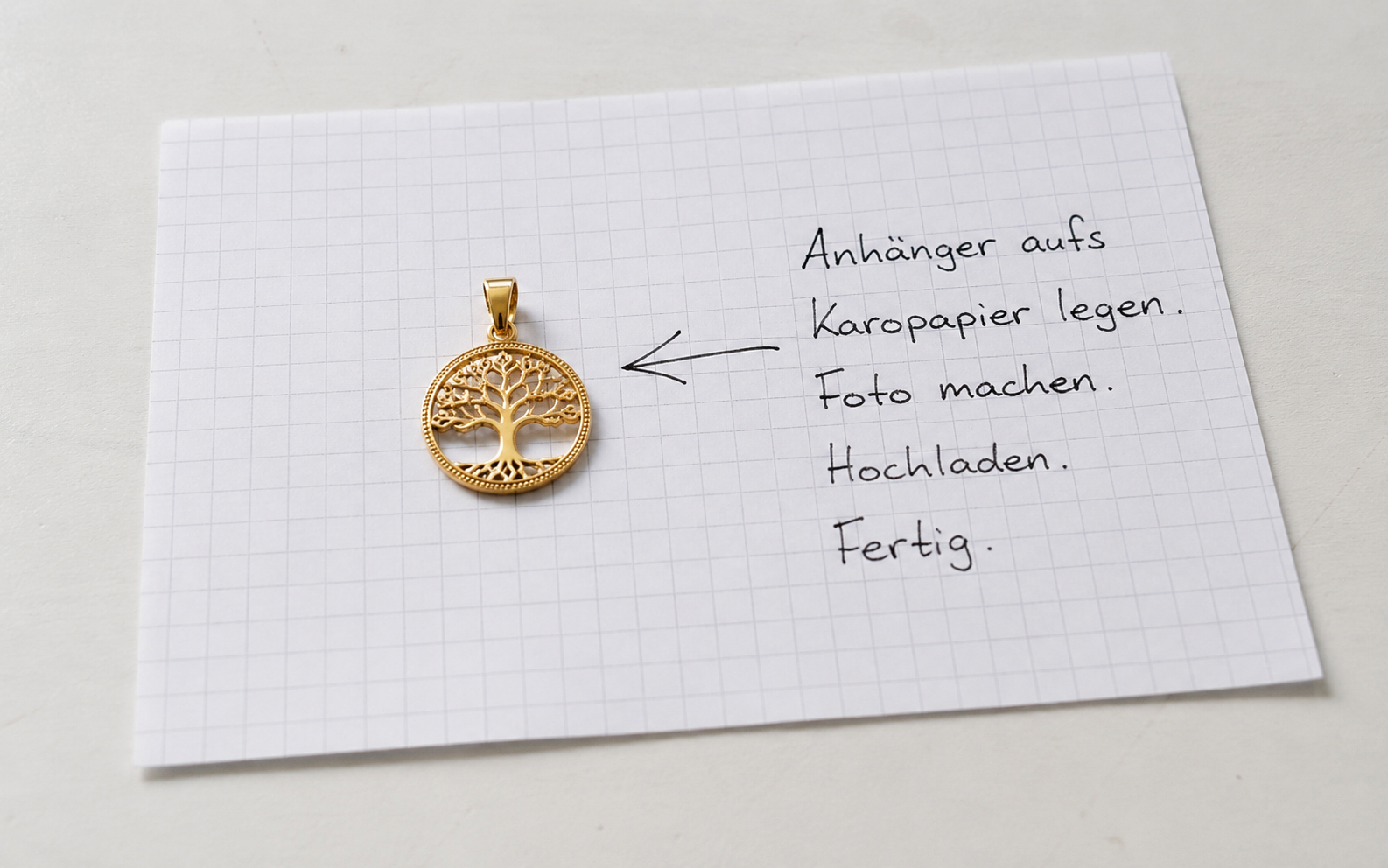
One photo is enough. We assess the material, condition and desired result.
Send a photoTalk to us
Show the piece. We check what is visible, what is possible and the next sensible step.
Cart
Your cart is empty
Silver, stainless steel, brass, copper and various gold alloys can often be gold plated to a high standard. The material name alone is never enough: existing coatings, surface condition, geometry and intended use determine the appropriate layer structure.

The key distinction is not simply “metal or not”, but whether the base material, existing surface and intended use allow a reliable layer structure.
When the surface is technically suitable, these metals can often be prepared appropriately and gold plated.
Here, alloy, existing layers, surface condition and geometry strongly influence the appropriate process.
LAFFARTS does not accept aluminum, titanium, die-cast zinc or PVD-coated parts for standard electroplated gold finishing. Non-metallic objects are also outside the regular galvanic service.
Silver is an excellent base for gold-plated jewelry. Before plating, the surface and existing coatings are assessed and a material-specific adhesion and barrier structure is added where required.
Silver in detailStainless steel is suitable for many jewelry, watch and metal parts. Proper activation and an appropriate adhesion layer are essential before the gold layer is built up.
Stainless steel in detailBrass can often be gold plated very successfully. Existing lacquer, corrosion, porosity and coatings must be considered so the finished surface looks even and consistent.
Brass in detailCopper can be gold plated to a high standard but requires an appropriate barrier structure to prevent the base material from affecting the final gold surface.
Copper in detailChrome-plated parts are not approved automatically. Condition, existing coating and adhesion determine whether the surface can be prepared or whether a new layer structure is required first.
Chrome in detailExisting gold jewelry can also be replated or adjusted in color. Condition, existing coatings, solder joints, stone settings and desired gold tone are considered in advance.
High-quality gold plating is more than simply “gold on metal”. Depending on the base material, the surface, adhesion and barrier layers are prepared so the hard-gold layer can be built up reliably. The final color-gold layer then creates the desired visible gold tone.
The following is a guide. The exact layer structure is determined only after the actual piece has been assessed.
The reason is not that gold could never be deposited on them in theory. The key question is whether we can offer a reproducible, responsible process for the specific order.
Send photos of the front and back as well as any hallmarks or markings. This can help with the initial assessment. If the material still cannot be identified reliably, we will tell you what information is missing.
A hallmark is an important clue but does not necessarily describe every existing coating, soldered component or later modification. We therefore assess the entire piece.
Yes. Heavy corrosion, unsuitable existing coatings, damaged surfaces, problematic settings or unfavorable geometry can make an order technically or economically unreasonable despite a suitable base metal.
An existing PVD layer is a separate hard coating system. Reliable electroplated replating would require its condition, removal and preparation to be fully controlled. We do not offer this as a regular standard service.
Clear photos, ideally including the back and any unusual areas, plus known material, dimensions and existing coating. You do not need to send the piece in for the first assessment.
We assess the material, existing surface, condition and intended use. You then know whether gold plating is appropriate and what the next step should be.